A new study by Michalis Charilaou explores how imperfections in iron change its magnetism as temperature rises.
Graduate student shares his research experience in underwater acoustics
Tue, 09/22/2026 - 11:46amMy Journey from River Research to Ocean Acoustics
by Kazi Rubaiyet Islam (PhD Candidate, EESC Program, UL Lafayette)
My interest in environmental research started in Bangladesh during my undergraduate and graduate studies. At that time, I was involved in research related to radio activity in lotic areas of Khulna city. I used to travel by small boat and collect water samples in plastic bottles from different locations, especially from the Rupsha and Bhairab rivers in Khulna, Bangladesh. During this fieldwork, I started thinking about what was happening under the water and whether there could be a way to collect environmental data automatically and in real time instead of collecting every sample manually. I was also curious about aquatic animals, how they behave in their natural environment, and how we could study them without disturbing them. These questions slowly increased my interest in working with larger aquatic environments, especially the ocean.
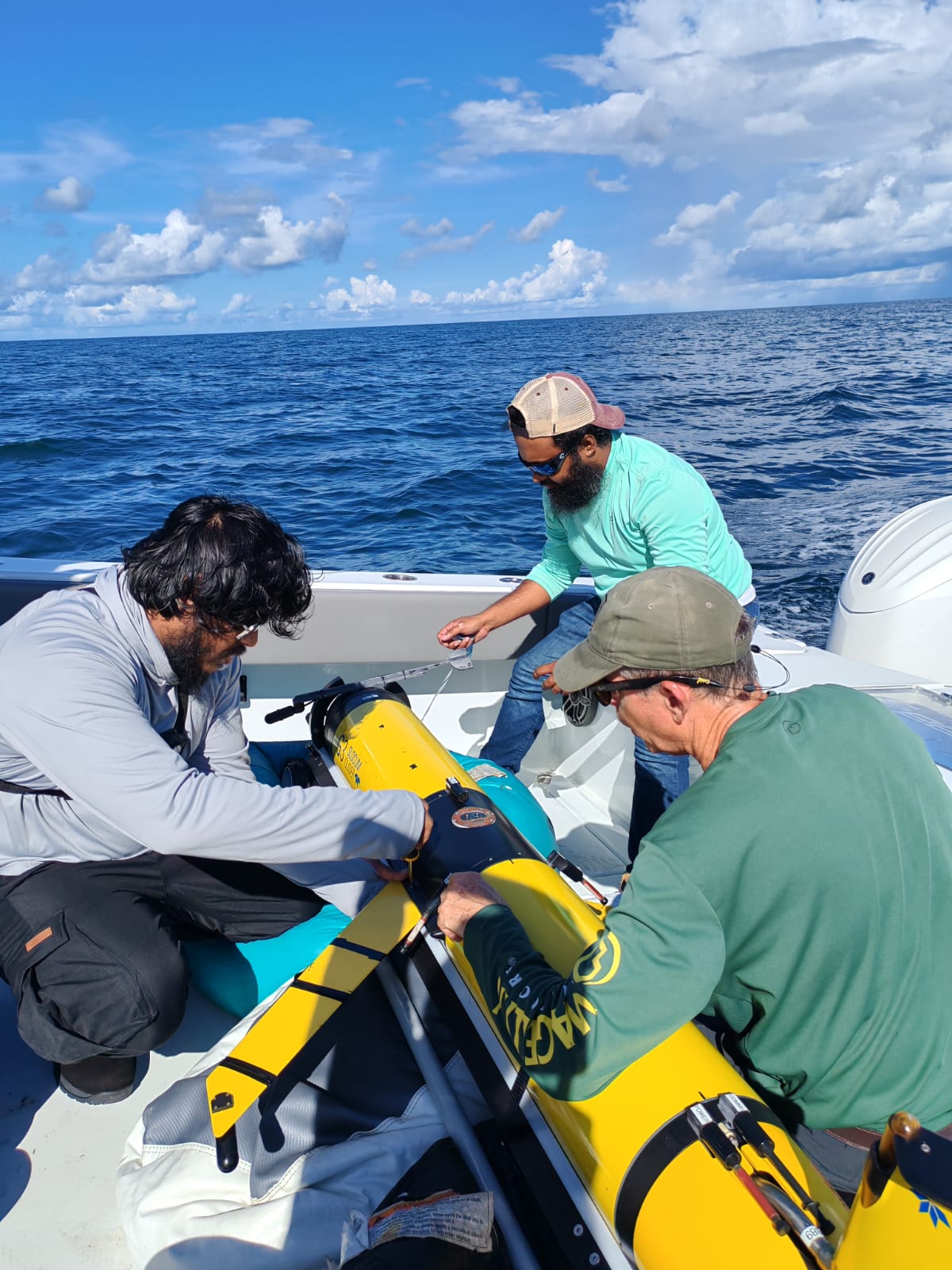
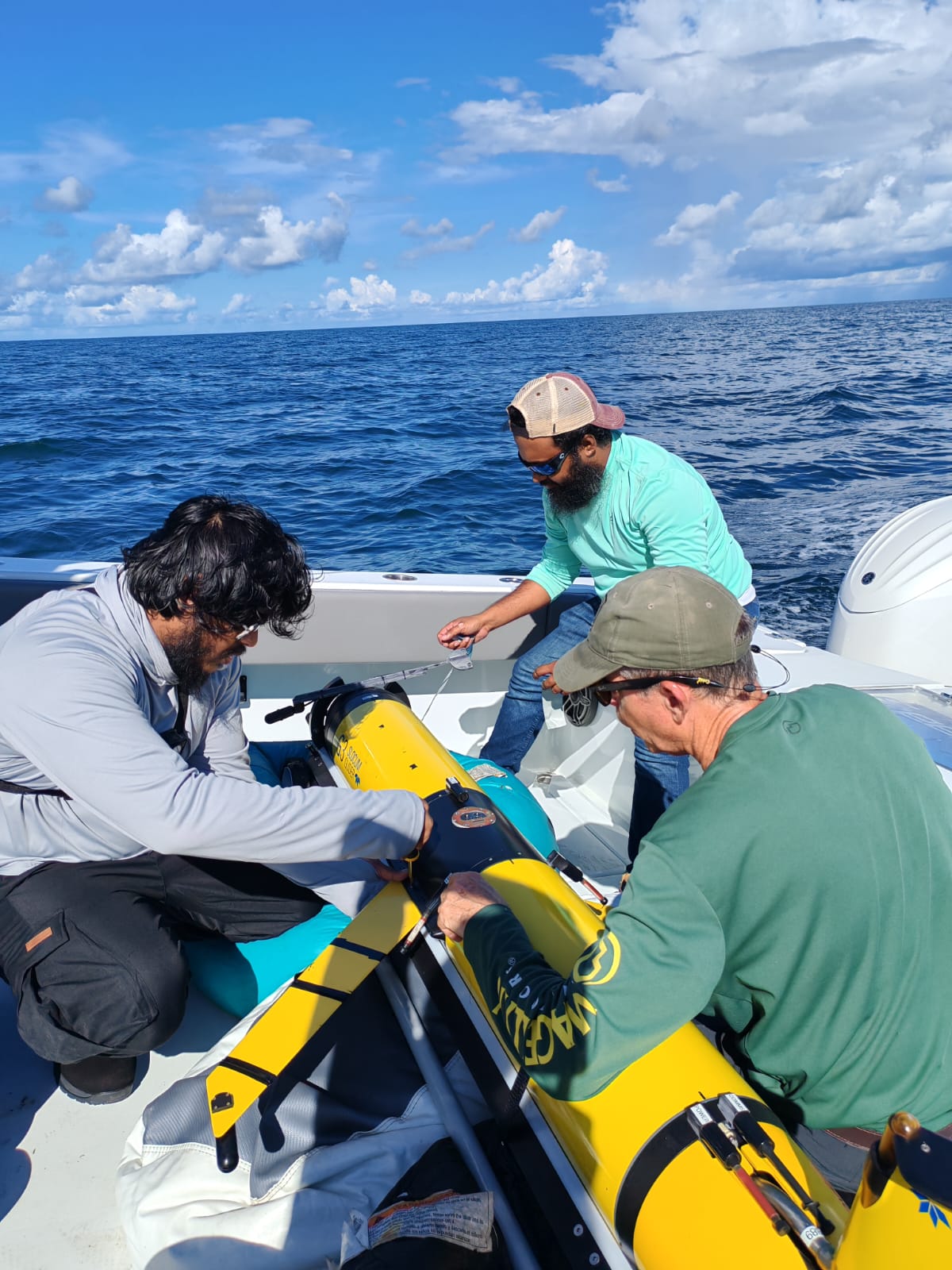
When I decided to continue my higher studies, I wanted to connect my physics background with environmental and field-based research. This interest brought me to the Ph.D. program in Earth and Energy Sciences at the University of Louisiana at Lafayette, where I got the opportunity to join the Ocean Acoustics Laboratory and begin my research in ocean acoustics under the supervision of Dr. Natalia Sidorovskaia. In the Ocean Acoustics Laboratory, I am learning how sound can help us understand what is happening under the water. We can record underwater sounds and then analyze and classify sounds from different sources, including ships and marine animals. This can help us study marine mammals and better understand the underwater environment. An important part of my research experience is working with Sedna, an autonomous underwater vehicle (AUV) that can travel underwater and collect acoustic and environmental data. Before going into the field, I spent a lot of time in the laboratory learning about Sedna and its different components. I practiced how to prepare and assemble the vehicle and learned about its operation and piloting. Working with my professor and other members of our research team has given me hands-on experience with underwater acoustic systems and autonomous ocean technology. For me, this was an exciting step because some of the questions I had while manually collecting river samples in Bangladesh are now connected to the technology I am learning to use for collecting information from the ocean.
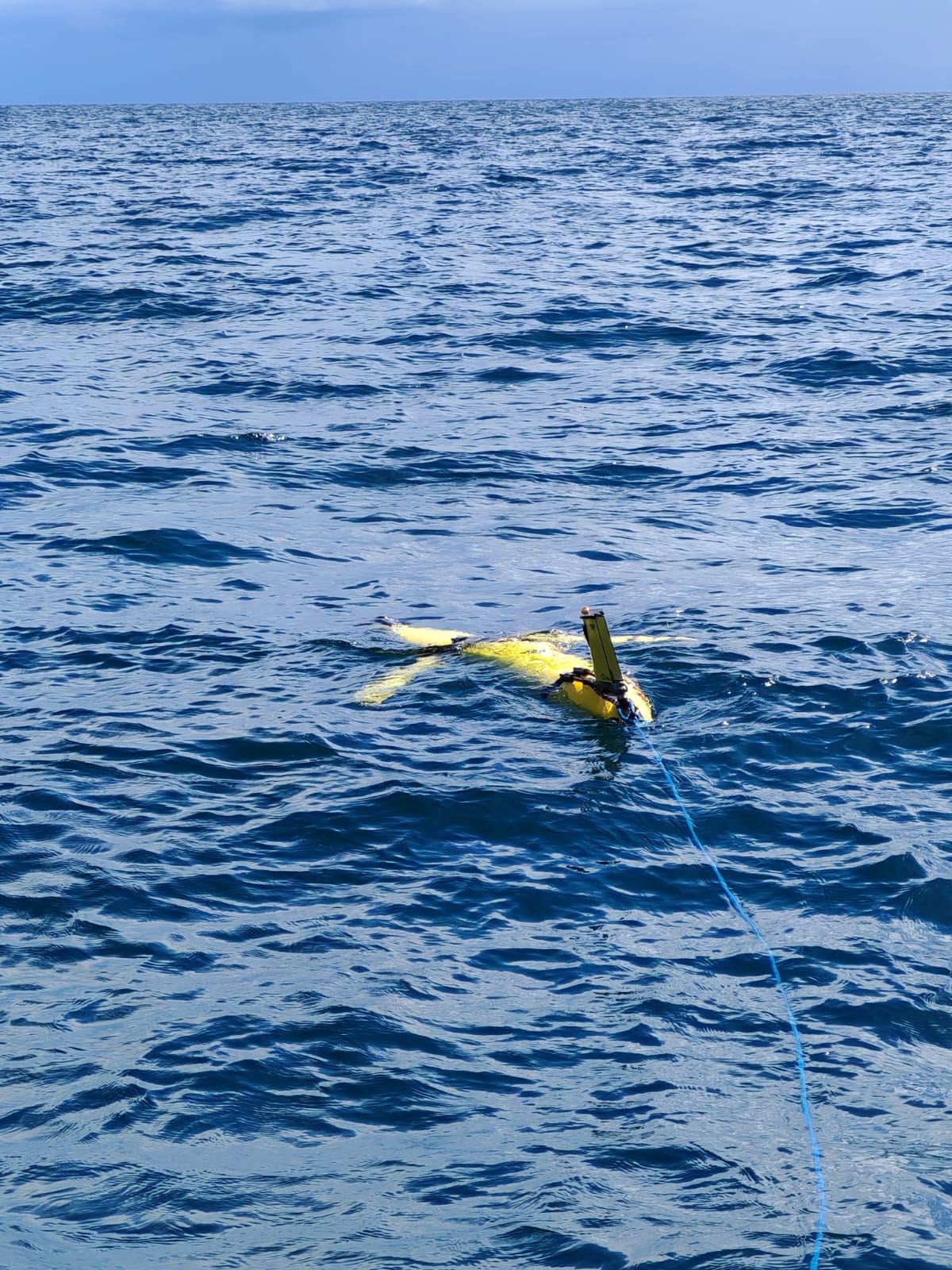
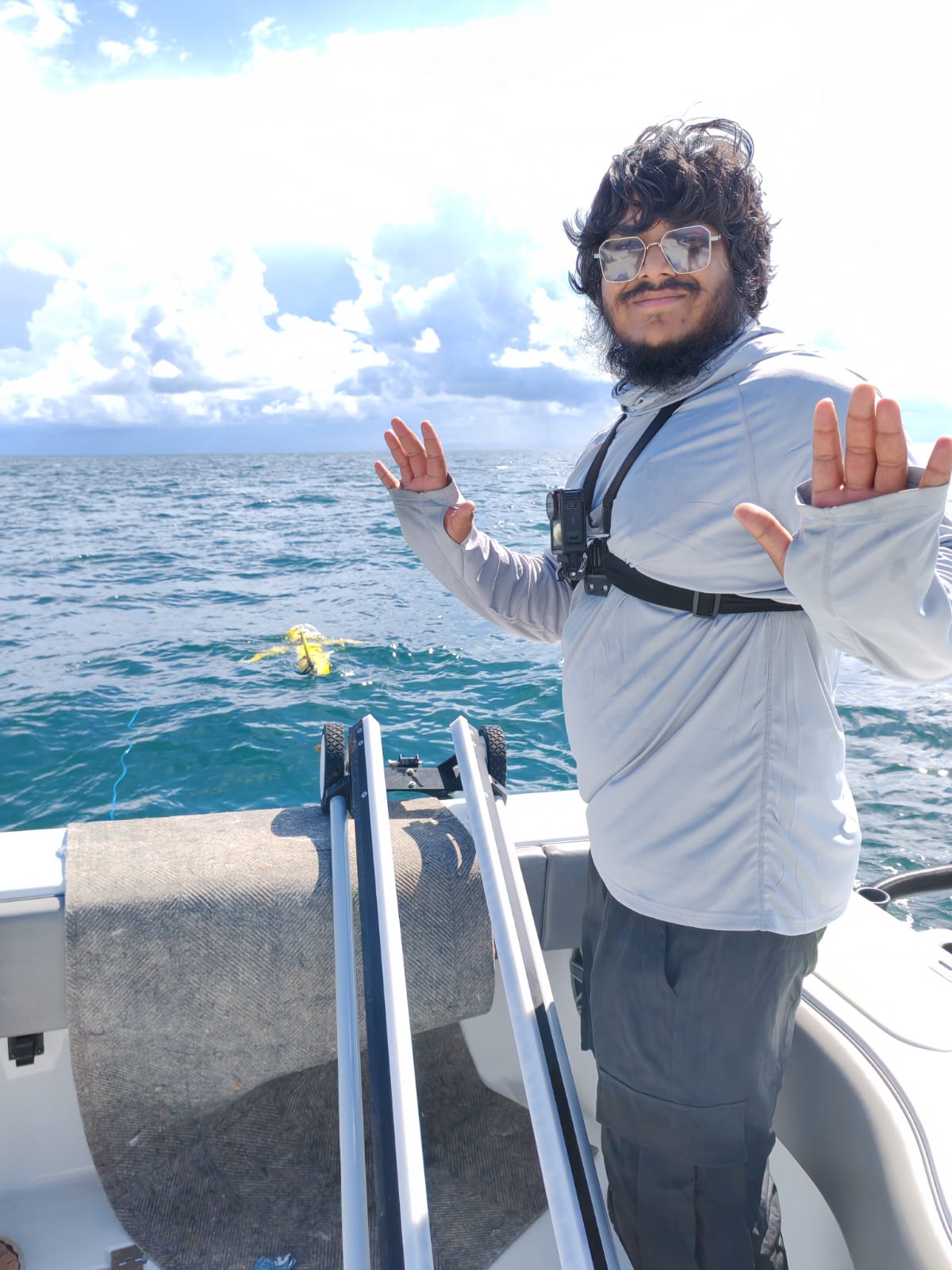
Recently, I had the opportunity to join my first ocean field deployment with Sedna. At the beginning, I was a little nervous because it was my first time working in this kind of ocean environment. However, after I started working with the team, I slowly became more comfortable and really started enjoying the experience. My responsibilities included helping to assemble Sedna, assisting with piloting, and supporting other deployment activities with the team. The ocean conditions were rough, and working on a moving boat was very different from working in the controlled environment of the laboratory. I could feel the constant movement and rhythm of the waves, which made even familiar tasks more challenging. It took some time to adjust, but I was able to perform my responsibilities carefully and comfortably. With the support and teamwork of everyone involved, we successfully deployed Sedna, and now we are looking forward to receiving and analyzing the data collected during the mission. For me, going from collecting water samples from the rivers of Bangladesh to working with underwater acoustics and autonomous technology in the ocean has been an exciting journey. I hope these experiences will continue to prepare me for my future career as an experimental ocean researcher and ocean acoustician.